This is the
MISO project
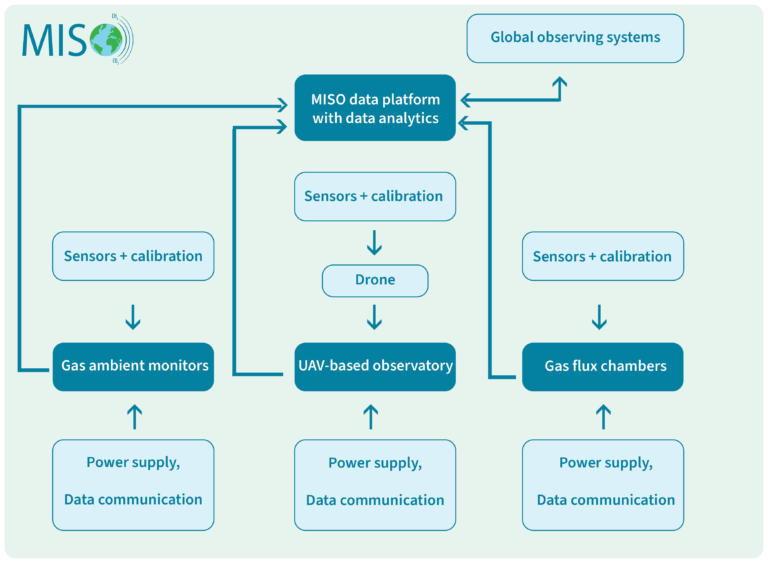
MISO develops an autonomous observation system for monitoring of emissions of CO2 and Methane, the two most important greenhouse gases. The system is modular and is suited for use in hard-to-reach areas such as the Arctic or wetlands. It combines three observing platforms (a static tower-Gas ambient monitor , a static gas flux chamber and a UAV-based observatory using NDIR sensing technologies ) with a cloud platform. The system can be operated remotely , with minimum on-site intervention.
The MISO team has expanded existing technologies: we have improved detection limit and accuracy of an NDIR GHG sensor integrated in the platforms. The static platforms and the drone base are powered by a unique geothermal device. The communication between the three observing platforms and a data cloud uses a combination of Peer2Peer, G4/G5/LTE, LORAWAN and wifi technologies.
To ensure consistent measurements, the observing platforms are optimized for energy efficient autonomous operation. This includes on-platform detection of faults through an optimized Machine Learning calibration. The cloud platform stores model updates and fault detection information together with the raw measurements.
The system is co-developed with stakeholders from academia, monitoring and measurement systems, industry and policy. It is thoroughly documented and has been demonstrated in the Arctic and in Wetland .
NEWS

Final Tests Before Arctic Pilot Launch
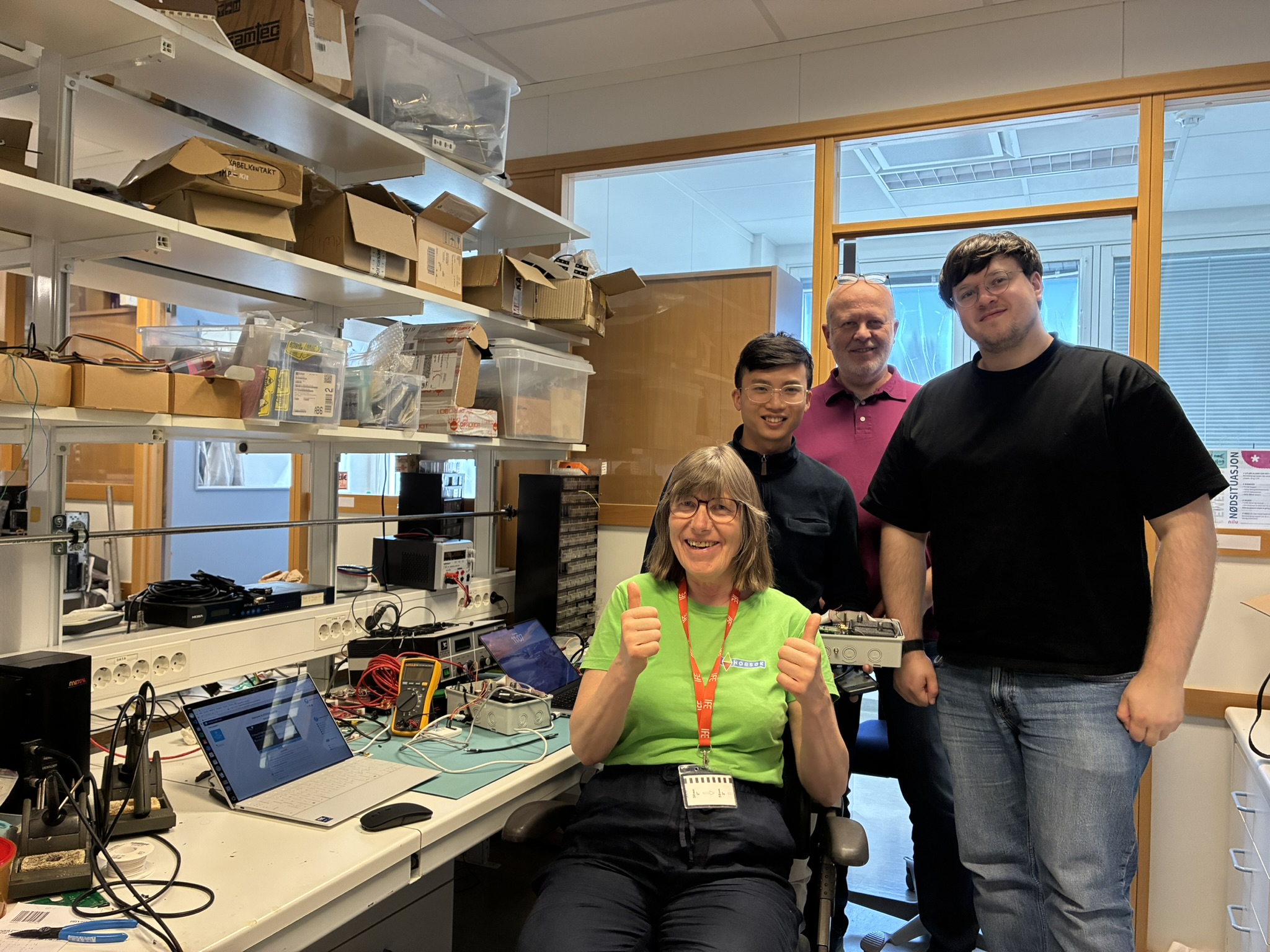
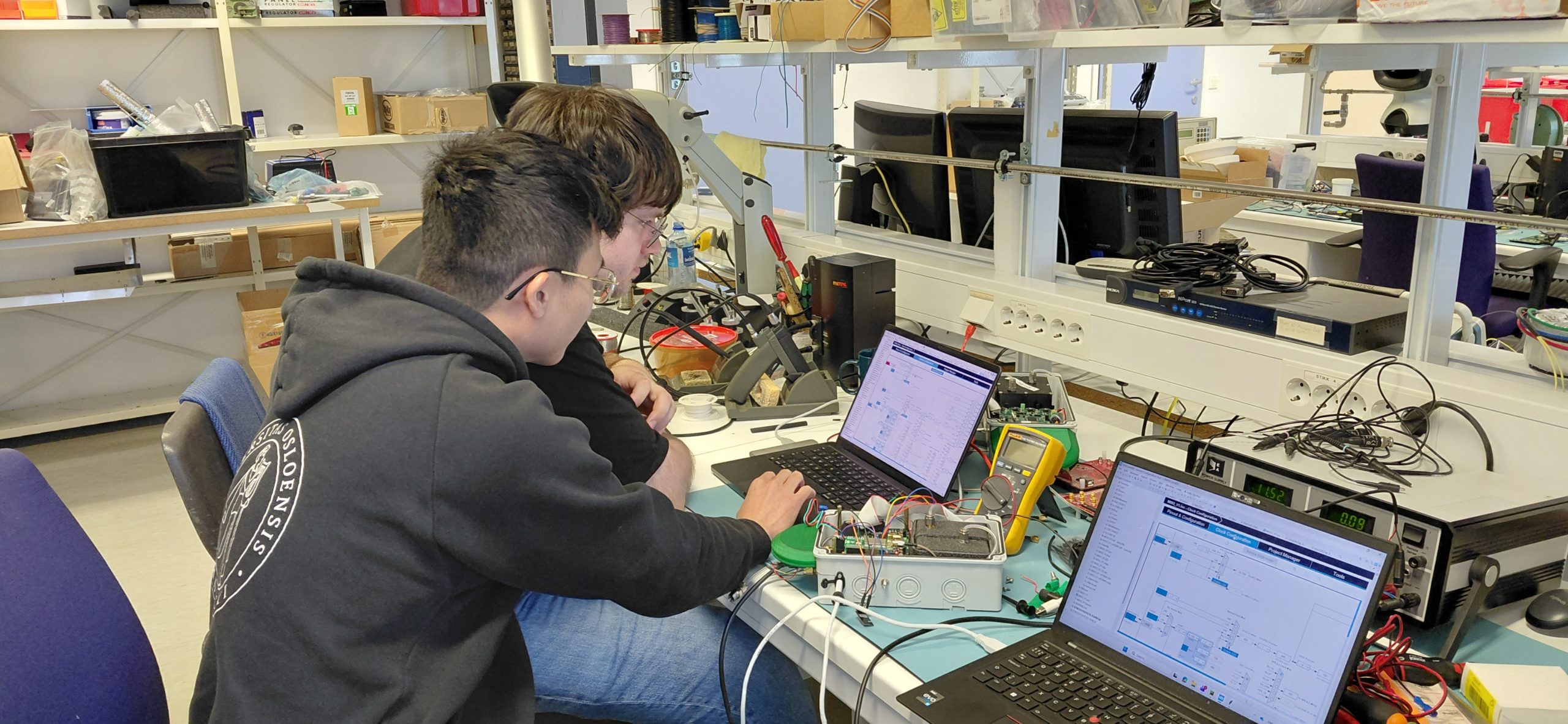
Final tests of Gas ambient monitors are being implemented at NILU Lab (by PhD student Huy Duong Gia of NILU) before they are installed in Svalbard next week for Artic Pilot . Together with all partners, MISO will deploy: 6 static sensors, 1 gas flux chamber, UAV-based observatory for effectively

๐โจ The MISO project has reached another important milestone with its second review meeting with the European Commission on September 17.
Together with our Project Advisor and two external experts, we reflected on the progress made so far and received valuable feedback that will help guide our next steps. ๐ฌ Over the past months, the project has made significant technical advances, including:ย โข Testing and validating innovative drone-based measurements of greenhouse gases

๐โ๏ธ ๐๐๐๐ ๐ข๐ฌ ๐ก๐๐๐๐ข๐ง๐ ๐ญ๐จ ๐๐ฏ๐๐ฅ๐๐๐ซ๐ ๐๐จ๐ซ ๐ข๐ญ๐ฌ ๐๐ข๐ง๐๐ฅ ๐๐ข๐๐ฅ๐ ๐๐๐ฆ๐ฉ๐๐ข๐ ๐ง!
This campaign will put both our ๐ข๐ง-๐ฌ๐ข๐ญ๐ฎ and ๐๐๐-๐๐๐ฌ๐๐ ๐ฌ๐๐ง๐ฌ๐ข๐ง๐ ๐ฌ๐ฒ๐ฌ๐ญ๐๐ฆ๐ฌ to the test under extreme Arctic conditions. Earlier trials took place at the Azur Drones test site (Bordeaux, France), the NILU laboratories (Oslo, Norway), and the Hyytiรคlรค ICOS research station (Finland). By validating these tools in one of the

๐โจ ๐๐ซ๐จ๐ง๐ ๐๐ง๐ฌ๐ข๐ ๐ก๐ญ๐ฌ: ๐๐๐ฉ๐ฉ๐ข๐ง๐ ๐๐ซ๐๐๐ง๐ก๐จ๐ฎ๐ฌ๐ ๐๐๐ฌ๐๐ฌ ๐ข๐ง ๐๐๐ญ๐ฅ๐๐ง๐๐ฌ ๐ฟ๐ก
As part of the MISO project, our recent intensive ๐ฐ๐๐ญ๐ฅ๐๐ง๐ ๐๐ข๐๐ฅ๐ ๐๐๐ฆ๐ฉ๐๐ข๐ ๐ง ๐๐ญ ๐๐ฒ๐ฒ๐ญ๐ข๐ฬ๐ฅ๐ฬ ๐ ๐จ๐ซ๐๐ฌ๐ญ ๐๐ญ๐๐ญ๐ข๐จ๐ง, ๐ ๐ข๐ง๐ฅ๐๐ง๐, brought our innovative drone system into action. During the campaign, the MISO drone took to the skies to measure greenhouse gas concentrations both ๐ฏ๐๐ซ๐ญ๐ข๐๐๐ฅ๐ฅ๐ฒ ๐๐ง๐ ๐ก๐จ๐ซ๐ข๐ณ๐จ๐ง๐ญ๐๐ฅ๐ฅ๐ฒ under real wetland conditions. ๐ ๐๐๐ฒ ๐ ๐ข๐ง๐๐ข๐ง๐ ๐ฌ:โข
Contact Info
Dr. Tuan-Vu Cao, project coordinator.
The Climate and Environmental Research Institute NILU.

This project has received funding from the European Union’s Horizon Europe research and innovation programme under Grant Agreement No. 101086541.