The MISO project focuses on developing innovative solutions for measuring methane and CO₂ emissions in Arctic conditions. The goal is to detect emission hotspots using drones, monitor soil emissions via flux chambers, and measure atmospheric concentrations with stationary sensors.
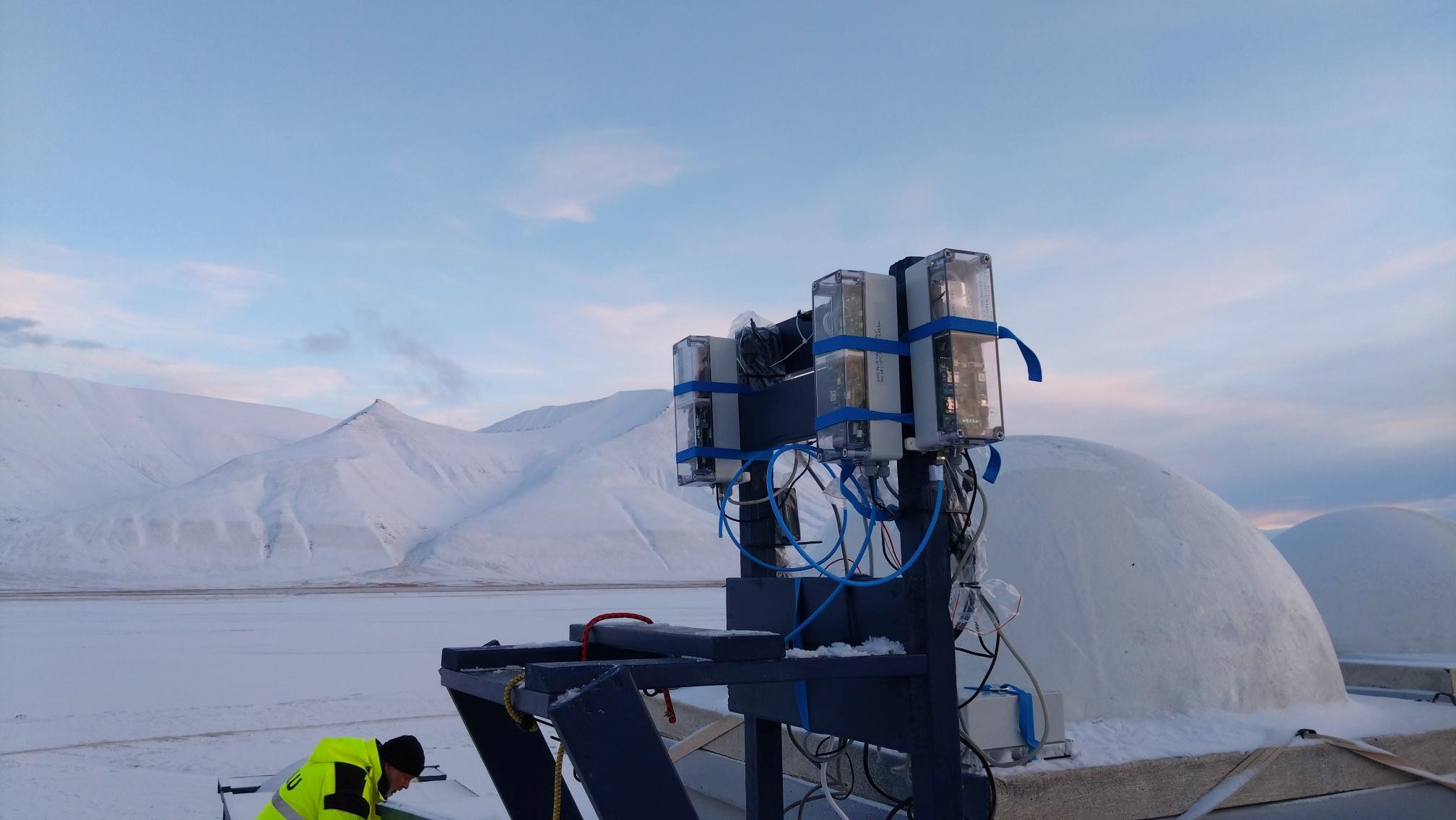
Senseair contributes advanced sensors such as the K96, integrated into a robust system featuring thermal and pressure stabilization, data logging, and pumping functionality, designed to operate reliably in harsh environments.
? ???????? ????? ????????
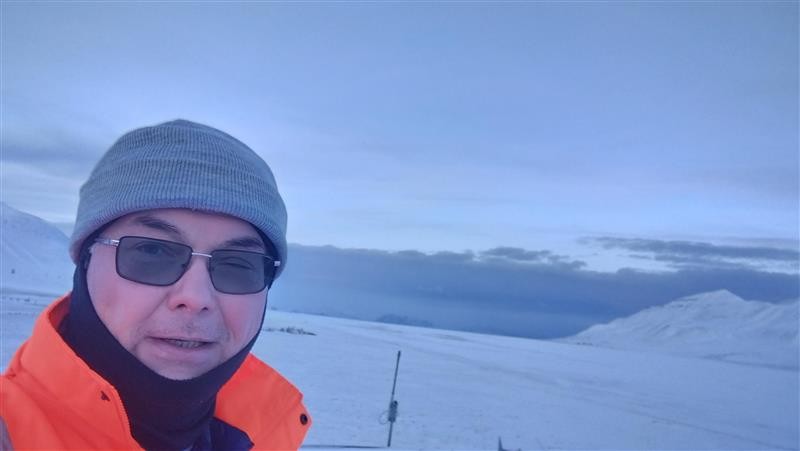
This recent expedition to Longyearbyen marked the first full-scale field test of the integrated system. Over five days, measurements were carried out across soil, air, and potential hotspots in collaboration with the Azur drone team from France and colleagues from NILU (Norway).
The Azur team arrived early for extended drone preparation, while the rest of the team began with a comprehensive safety briefing covering Arctic-specific risks, including polar bears and reindeer-borne rabies infections.
? ????? ??????????
The campaign was based at the Arctic station operated by UNIS (The University Centre in Svalbard), where two sensor systems were installed: one from Senseair and one from NILU.
Throughout the week, drone flights, soil emission tests, and atmospheric measurements were carried out. Despite cold and windy conditions, with temperatures down to −15 °C, the integrated system showed strong performance and reliable data transmission to cloud storage.
This field test represents a promising step forward in understanding greenhouse gas dynamics in the Arctic.